
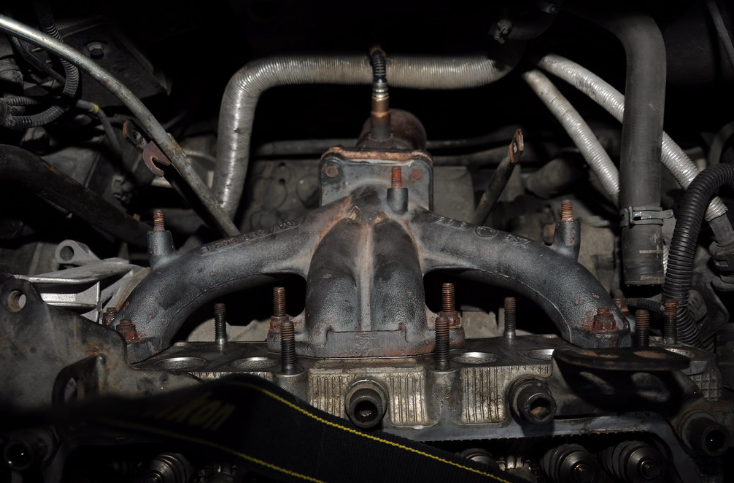
Dealing with a sudden exhaust manifold leak can be a startling experience. If you’re noticing manifold leak symptoms, you’ll want to address the problem.
If you’re driving your car and all of a sudden you hear a loud hissing sound from under the hood, it could potentially be an exhaust manifold leak. If you think that this might be related to your problem, keep on reading to learn about what exhaust manifold leaks are, the things that can cause them, and how to fix them in 2026.
The Symptoms of an Exhaust Manifold Leak
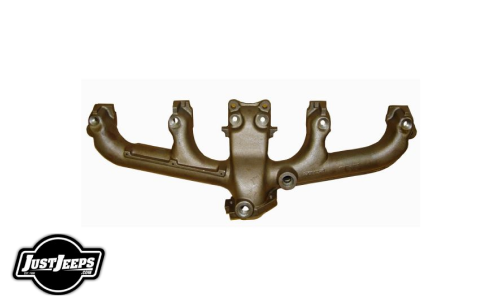
There are a variety of symptoms of an exhaust manifold gasket leak or simply manifold leak symptoms in general:
- If you notice any cracks in your exhaust manifold, you may see a drop in engine performance.
- You may also notice an increase in fuel consumption as the engine has to work harder to produce the same power.
- Bad exhaust manifold gaskets can also cause exhaust leaks, which can lead to a noticeable hissing sound from the engine bay. If you hear hissing sounds when your engine idles or when you accelerate, it could be a sign that there’s an issue with your exhaust system. The hissing sound is caused by compressed air escaping from a crack in the manifold or head pipe.
- In extreme cases, the header wrap can come loose and burn through, causing an engine fire.
- Blue smoke from the tailpipe. Blue smoke fuming from the tailpipe is usually caused by oil burning inside the combustion chamber. It can indicate that something is wrong with your engine — namely, worn piston rings or cylinders, piston slap, and other problems associated with worn internal components or improper oil changes.
If you find any of these symptoms, it’s important to check the exhaust manifold for signs of damage right away. Left unchecked, small cracks can turn into big ones that cause irreparable damage to your engine.
The Causes Of An Exhaust Manifold Issue
Exhaust manifold leak is quite a common issue that can be a bit tedious to repair. This is because the exhaust manifold is a major part of the car’s exhaust system and carries out several significant duties.
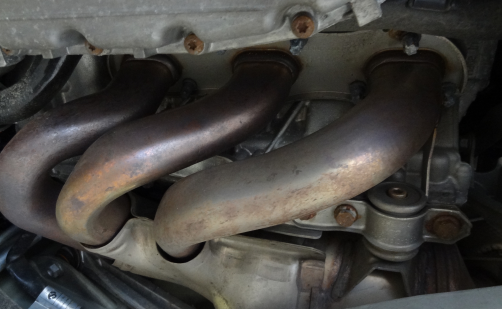
In order to understand how an exhaust manifold leak occurs, it is essential to know what this part does in the first place. The exhaust manifold connects the engine to the tailpipe on the outside of your vehicle. It also distributes heat away from your engine so that it does not overheat and burn out prematurely. It also keeps the pressure inside your engine steady so that it can continue functioning at optimal levels.
An exhaust manifold leak can be caused by a few different things:
- The gasket that seals the manifold to the engine could be bad or broken. A cracked or warped exhaust manifold can cause an exhaust leak.
- There could be a crack in the manifold itself. This is common in older vehicles, but it can also happen in newer ones. The reason for this failure is either due to overheating or an engine knocking condition.
- One of the bolts holding the manifold in place could be loose or broken. This is usually caused by improper installation when the car was new. The bolts may have been overtightened, or the nuts could have been cross-threaded.
If your car’s exhaust manifolds are leaking, then you’ll want to bring your vehicle to a mechanic right away (by the way, our Just Jeeps team is always ready to help you address any issue related to your car). This needs to be done as soon as possible because if you don’t get it fixed right away, it can cause major problems with your vehicle’s engine.
How to Diagnose an Exhaust Manifold Leak
The best way to diagnose which issue is at hand is to take your car to your local mechanic and have them inspect it for you. They will find the source of the problem and give you a quote on how much it will cost to fix it, so you can decide if it’s worth fixing right away or waiting until you have more money available.
If you’re looking for a DIY solution, there are some things that may work, but be warned that these fixes might not last as long as what a professional could do for you.
Under The Hood – Where Does The Exhaust Pipe Go?
Many cars have an exhaust manifold. The exhaust manifold is the very first part of the exhaust system. It consists of a steel pipe that collects the exhaust gases from the cylinders and directs them into the catalytic converter.
There are many reasons why the exhaust manifold will start to leak. The most common reason is a crack in the manifold caused by heat stress. This type of leak can be repaired by welding or replacing the cracked section of the pipe.
DIY Considerations to Fix an Exhaust Manifold Issue
Unfortunately, over time, manifold gaskets can develop leaks, which can lead to costly repairs. However, there are a number of ways that you can address this problem on your own, without having to take your car to the garage.
The most popular repairs to an exhaust manifold are the replacement of a broken gasket or just patching up any visible cracks.
Step #1
The first step is identifying what’s causing your leak. Although manifold leaks can sometimes be felt, it can be difficult to tell exactly where they’re coming from.
Therefore, it’s important to start by taking a visual inspection of your vehicle, focusing on any cracks in pipes or signs of loose bolts that may indicate a more serious problem with your exhaust system.
Step #2
Once you’ve found and diagnosed your leak, you’ll need to prepare some materials before getting started with repairs.
For example, before beginning work on a crack in your pipe, you may want to consider investing in exhaust manifold sealant tape or liquid, which can help prevent future leaks and make for easier repair work down the line.
Step #3
With your materials ready, you can move on to completing the repair itself.
If you’re replacing a gasket, carefully remove the old one and clean the mounting surfaces thoroughly before installing the new gasket to ensure a proper seal.
For minor cracks, apply the sealant according to the manufacturer’s instructions and allow adequate curing time before starting the engine.
Once finished, recheck all bolts and connections to make sure everything is secure and leak-free.
Conclusion
While an exhaust manifold leak can be a worrisome automotive issue to go through, there are ways around it, and being aware of the symptoms will help you recognize what you’re dealing with. Anyway, if you have faced this issue and need assistance, feel free to contact us.
Exhaust Manifold Leak FAQ
We don’t recommend driving with an exhaust manifold leak. While the car may still run, the leak can reduce engine performance, increase fuel consumption, and expose nearby components to excessive heat. Over time, this can lead to more serious and costly engine damage.
Yes. Left untreated, an exhaust manifold leak can lead to overheating, warped components, and incorrect air-fuel ratios. In extreme cases, escaping hot gases can damage wiring, sensors, or even create a fire risk.
In 2026, repair costs can range from relatively affordable gasket replacements to more expensive manifold repairs or replacements. Costs vary based on vehicle type, labor rates, and whether OEM or aftermarket parts are used.
An exhaust manifold leak occurs near the engine, often causing louder hissing and stronger smells under the hood. Exhaust pipe leaks usually happen further back in the system and tend to be less noticeable at idle.
Yes. Temperature changes cause metal components to expand and contract, which can worsen existing cracks or gasket failures. Many drivers first notice manifold leaks during colder months.
If the manifold is severely cracked, warped, or difficult to access, professional repair is the safer option. DIY fixes work best for minor leaks, while complex issues often require specialized tools and experience.