

If you’re driving down the road and suddenly your Jeep’s check engine light starts flashing, you may be inclined to think the worst. However, there are actually several common reasons why this light might turn on while you’re driving your Jeep, and only one of them has to do with an actual problem with your vehicle’s engine.
Why Is My Check Engine Light Flashing?
The check engine light is an important indicator in your car, and it’s one you should never ignore. If you see it blinking, that’s a sign that something is wrong and you should get to a service station as soon as possible.
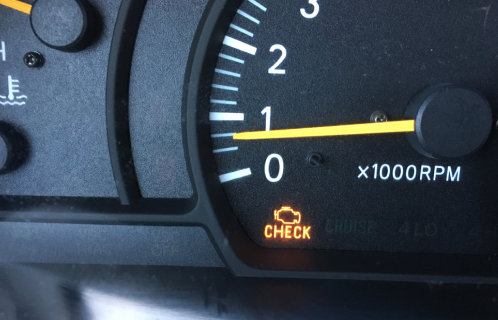
There are many potential causes for a flashing check engine light, but some of the most common include:
- Problem with the spark plugs or wires;
- Vacuum leak;
- Faulty oxygen sensor;
- Misfire in the engine;
- Problem with the catalytic converter.
There are also other check engine light modes:
- Flickering check engine light means there may be a loose electrical connection somewhere in the vehicle;
- Illuminated check engine light motor indicates there may be an issue with the computer system.
If you see your check engine light blinking, don’t panic. But do take it as a warning sign and get your car checked out as soon as possible. A simple repair could save you from paying much more money later on down the line.
A steady check engine light means that one of these problems has been detected by the computer system, and your mechanic will be able to diagnose it from there. It’s always best to keep up with regular maintenance of your vehicle so you can stay on top of any issues like this before they become a major inconvenience.
Be sure to have your mechanic check the following things during your next visit:
- Tire pressure;
- Air filter;
- Battery connections;
- Brake fluid levels.
And make sure that nothing looks unusual under the hood (such as coolant leaking). These are all easy things you can do yourself with a little research beforehand — just be sure not to attempt anything too difficult without first consulting a professional. and – just be sure not to attempt anything too difficult without first consulting a professional.
The Dreaded Check Engine Light
If your check engine light is flashing while driving, you need to have it checked out. It’s not just a matter of convenience — it’s a matter of safety.
So if your check engine light is flashing, what should you do? Here’s what you need to know about the flashing check engine light and what to do when you see it.
The function
The check engine light is designed to alert drivers when something is wrong with their vehicle’s emissions system or powertrain — usually immediately before an emission control device fails. When this happens, it can cause poor performance or fuel economy, as well as increase harmful tailpipe emissions (which are typically controlled by these devices).
The reason
The most common reason for seeing a flashing check engine light is when there’s a misfire in one or more of your spark plugs or coils. This means one or more cylinders aren’t firing properly — either because they’re not getting enough fuel or too much air (or both).
What should you do
The first thing you should do when your check engine light comes on is to take your car to a mechanic, for example, the Just Jeep team. They’ll be able to run a diagnostic test and tell you exactly what’s wrong with your car and whether or not it’s safe to drive.
If the mechanic tells you that your car needs repairs, ask them how long it will take so that you can plan accordingly. If they say they don’t know yet, ask them what they would recommend doing in the meantime (such as driving around town or parking at home).
Minor Issues that Can Cause the Check Engine Light to Appear
There are some minor issues that can be the reason for a flashing check engine light.

Minor issues that can result in a check engine light include:
- Loose gas cap. This is the most common cause of the check engine light coming on, and it is easily resolved by tightening the gas cap or replacing it if it is damaged or cracked. If you have recently purchased a used car, check to see if the previous owner may have left the gas cap loose.
- Incomplete software updates. Some vehicles require periodic updates to their computer systems. If the software update was not completed properly or was interrupted, the check engine light will come on as a warning that there is a problem with your car’s emissions system.
- Faulty oxygen sensor or catalytic converter. These components are used to control how much fuel is burned during normal operation and when you accelerate quickly or brake hard. When they fail, they can cause your vehicle’s performance to be affected, as well as increase your fuel economy and emissions levels.
- Dirty air filter or fuel filter. The air filter cleans dirt out of incoming air and prevents dirt particles from damaging other parts of your engine. A dirty filter can reduce power output significantly and cause poor fuel economy, leading to more frequent trips to fill up at the pump because your vehicle needs more fuel just to get where it needs.
- Low fuel level. A low level of fuel in the tank can trip many different sensors from telling your car’s computer that something is wrong with its fuel system. If this happens often enough, you may need to replace the fuel pump or damaged wiring to fix the problem.
Checking fluid levels and tire pressure regularly helps prevent small problems from becoming larger ones later on down the road. When driving around town or at highway speeds, you should always keep an eye out for leaks under your car, especially if you notice that one particular tire is losing air rapidly.
Conclusion
When the check engine light is flashing, it can be a cause for concern. If you see that, pull over and turn off the engine as soon as possible. Once you’ve turned off the engine, call a tow truck or roadside assistance to take your car to the nearest service station.
The general idea, however, is simple: it may be a sign of something costly and catastrophic, but might as well be a minor issue. There’s no way to tell until it’s examined by a pro mechanic (or, at least, a skilled enthusiast).
Check Engine Light FAQ
It’s best not to. Continuing to drive with a flashing light can cause serious damage, especially to the catalytic converter. If possible, pull over safely and have the vehicle inspected ASAP.
In most cases, it’s caused by an engine misfire related to spark plugs, ignition coils, or fuel delivery issues. These problems prevent cylinders from firing properly.
Sometimes it can, especially if the issue is intermittent. However, even if the light stops flashing, the problem may still be present and should be diagnosed to prevent future damage.
Yes. Modern Jeep vehicles store diagnostic trouble codes even if the light later turns off. A mechanic or scan tool can retrieve these codes to identify the cause.
Yes. Poor-quality fuel or contaminated gasoline can cause misfires, leading to a flashing check engine light. If this happens, switching fuel sources and having the system checked is recommended.
Cold temperatures can worsen existing issues, such as weak ignition components or vacuum leaks. In winter conditions, these problems may trigger a flashing light more frequently.