
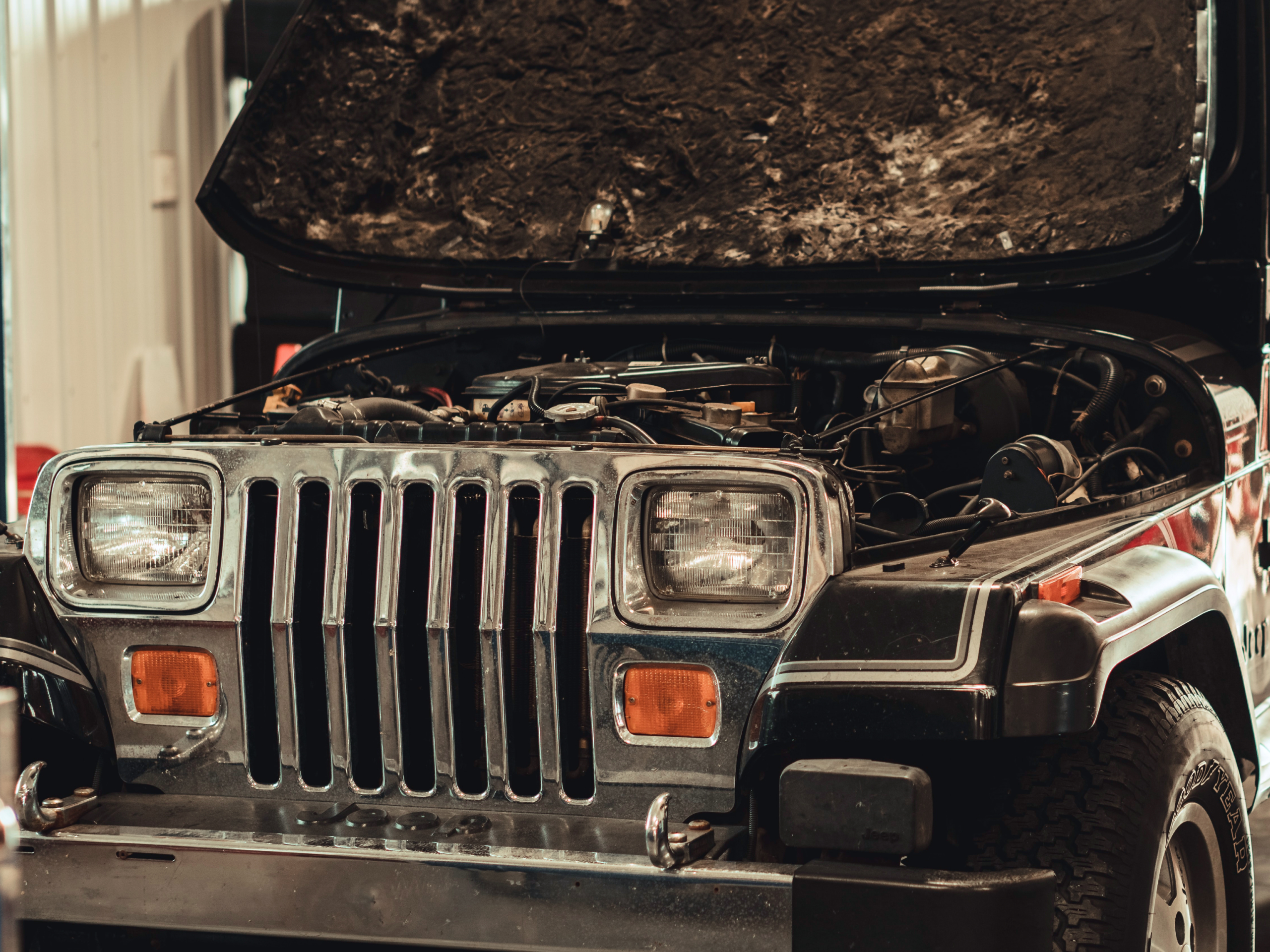
In the winter, it’s very important to take care of your vehicle’s engine so it can run smoothly and efficiently all year long. One important part of winterizing your engine is checking that your block heater cord isn’t worn or damaged in any way. If it’s frayed or sparking, you need to replace it right away!
Why Do You Need a Block Heater Cord in the First Place?
In the past, block heaters were plugged into an outlet on the side of the car. The cord was threaded through a hole in the firewall and plugged into the engine block. This worked well, but it was a bit of a pain to get to the plug and unplug it every time you wanted to use the block heater.
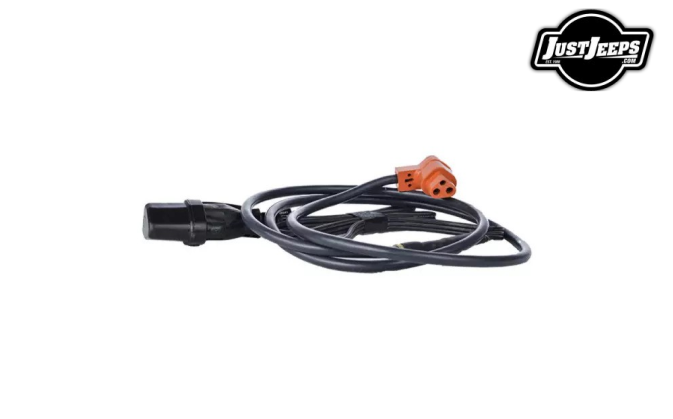
Modern cars are equipped with built-in block heater cords that run from under the hood and end in a receptacle just inside the firewall. A quick search online will show you how to replace these cords, as they wear out over time and need to be replaced before they cause problems with other electrical systems.
How To Replace The Block Heater Cord
Block heaters are a must-have during the cold winter months. They keep your engine warm and help prevent breakdowns during a trip. However, when the time comes to replace your block heater cord, it can be quite difficult.

Follow these steps to get this job done in no time:
1. Disconnect the negative battery terminal from the battery so you don’t accidentally short out your new cord.
2. Locate the block heater cord and pull it out of its harness (it should come out easily).
3. Remove the old cord by cutting through the plastic casing with a utility knife or wire cutter. This will expose the three wires inside the casing.
4. Pull off any tape holding together each individual wire and separate them from one another (you’ll need two copper wires and one black wire). Use wire cutters to cut through any wires that are grounded together so they can be separated into three individual strands of copper wire (this will be important later on).
5. Strip about ½ inch of insulation off each individual strand of copper wire using wire strippers or pliers; then twist them together so they form an electrical connection between one another (color doesn’t matter at this point). Make sure not to over-twist.
6. Attach the new cord. Take the new cord and thread it through the clamps on your block heater. You’ll want to start with one clamp at a time so that you don’t accidentally push too much through at once and damage something underneath your vehicle (like an exhaust pipe).
7. Secure the ends with electrical tape or wire nuts if necessary, then reconnect them to your vehicle’s battery terminals like normal.
Benefits Of a Block Heater
Block heaters are used to keep engine oil warm. When the weather turns cold, your car’s oil can turn into a thick gel that doesn’t flow as easily. This is bad for your engine because it reduces fuel efficiency and increases emissions. By keeping your engine warm, block heaters prevent this from happening.
Quick Starting
In addition to reducing emissions and improving fuel economy, block heaters also help you start your car more quickly on cold days. This can be especially important if you live in an area where temperatures drop below freezing for extended periods of time during the winter months.
A block heater uses electricity to warm up your engine oil before you start driving. Some block heaters plug directly into an outlet while others plug into an extension cord that connects to a power supply in your garage or driveway.
Reduced Maintenance Costs
Block heaters help prevent excessive wear and tear on your engine. This means that they can help extend the life of your vehicle. Block heaters also make it easier for you to start up your car in cold weather, which reduces the need for repairs and maintenance.
Increased Fuel Efficiency
When you’re driving in cold weather, your engine has to work harder because it takes longer for it to warm up. By using a block heater, this process is sped up so that less fuel is used over time.
This results in an increase in fuel efficiency and lower emissions as well as reduced maintenance costs due to less wear and tear on your engine components caused by having to work harder when starting up in cold weather conditions.
Conclusion
Block heaters are a great accessory for your car, especially if you live in a cold climate. They’re designed to keep your engine warm, which means that it will start easier and more reliably in the cold months of the year.
Learning how to replace the block heater cord on your own is a simple DIY task that can be done in the comfort of your own garage.
Block Heater Cord FAQ
In 2026, a replacement block heater cord typically costs around $30–$40, depending on the brand and vehicle compatibility. Most Jeep owners find this a very affordable DIY repair compared to the potential cold-start engine damage.
The most common type of block heater is an electric-resistance unit with a thermostat that automatically turns on when the outside temperature drops below freezing.
If you often notice sparking when plugged in, intermittent power, or a block heater that no longer warms the engine, then the problem is most likely an outdated block heater cord. Also, if your Jeep struggles to start in cold weather despite being plugged in, the cord is often the cause and needs to be replaced.
You can drive, but our Just Jeeps team doesn’t recommend it. A damaged cord can cause electrical shorts, drain the battery, or even damage other engine bay components. Replacing it early prevents more expensive repairs later.
Yes. For most Jeep models, replacing the block heater cord is a straightforward DIY project that can be completed in under an hour with basic tools. No advanced mechanical experience is required.
Even modern Jeeps benefit from block heaters in extreme cold. While newer engines are more efficient, cold oil still thickens, increasing wear during startup. A block heater reduces stress on your engine regardless of model year.